ADVERTISEMENT
Top Tips To Save Money On Car Insurance Renewals
When was the last time you looked at your car insurance renewal notice and thought, "Wait, why is it more expensive this year?" You're not alone. Every year, millions of drivers get that dreaded letter or email telling them it's time to renew—and that their premium is going up for seemingly no reason.
Are you tired of paying more and more for the same coverage? Are there more innovative ways to reduce your costs without compromising your peace of mind? The good news: There are plenty of ways to keep your hard-earned money in your wallet. Let's dive into practical, easy-to-follow tips to help you save money on your next car insurance renewal. You might be surprised at just how much you can shave off your bill with a few simple moves.
Shop Around Before You Renew
It's tempting to let your insurance automatically renew each year, but that's rarely the best deal. Insurance companies rely on drivers staying with them out of convenience. But loyalty doesn't always pay off here!
Before your renewal date arrives, take the time to compare quotes from at least three different insurers. You'll find that prices for the same coverage can vary widely. Online comparison tools make this quick and painless. Some drivers save hundreds just by switching providers.
Pro tip: Don't just look at the big names. Local or regional insurers can offer surprisingly competitive rates and personalised service.
Don’t Be Afraid To Negotiate
Have you ever tried calling your insurance company to ask for a better rate? You might be surprised by what happens. If you have a clean driving record and haven't made any recent claims, you're in a strong position.
Call your provider and mention that you've received better offers elsewhere. Sometimes, the representative can unlock special discounts or tweak your policy to match the competitor's price. Even if you love your insurer, there's no harm in seeing if they'll reward your loyalty with a little savings.
Raise Your Deductible—If You Can Afford It
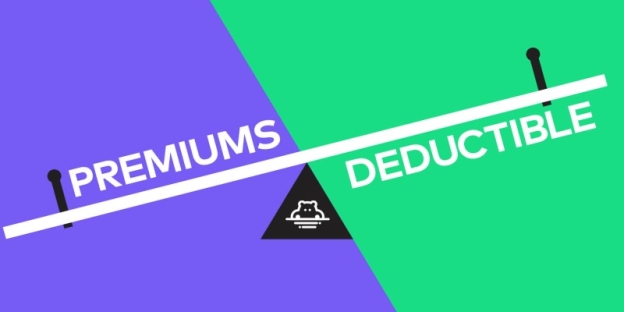
One of the fastest ways to lower your premium is by increasing your deductible. The deductible is the amount you pay out of pocket if you file a claim. By opting for a higher deductible, you'll pay less each month.
Let's say you move your deductible from $250 to $500 or even $1,000. Your annual premium could drop significantly. Of course, make sure you can afford that higher deductible if you need to use it!
Reconsider Your Coverage (Especially For Older Cars)
Do you drive an older car? If your vehicle isn’t worth much, it may not make sense to carry comprehensive or collision coverage. Sometimes, these extras cost more than what your car is worth.
Check your car's current value using resources like Kelley Blue Book or Edmunds. If the numbers add up, you can remove these coverages and save significantly. Just keep liability coverage, as that's usually required by law.
Bundle Your Policies

Do you have more than one insurance policy, such as home, renters, or motorcycle insurance? Bundling them together with the same provider can unlock significant discounts.
Most insurers offer multi-policy deals. For example, if you pair car insurance with home insurance, you could save 10% or more on both. Even if you've never bundled before, ask your provider if there are options available. It takes just a few minutes and could result in significant savings.
Take Advantage Of Discounts You Might Be Missing
Insurance companies love to offer discounts, but they don’t always advertise them. Some of the most common discounts include:
Good Driver Discounts
No accidents or traffic tickets in the last few years? That could mean a significant price break.
Low-Mileage Discounts
Do you drive less than average? Some insurers reward you for driving fewer miles.
Student Or Professional Discounts
Are you a student with good grades, or do you work in a particular profession (like teaching or nursing)? You could be eligible for unique discounts.
Safety Feature Discounts
If your car has features like anti-lock brakes, airbags, or anti-theft systems, you may be eligible for a reward.
Always ask your insurer for a complete list of possible discounts. Don't be shy—they expect you to ask!
Maintain A Good Credit Score
It may sound unrelated, but your credit score does affect your insurance premium. Insurers use credit-based insurance scores to predict risk. If your score improves, your rate may decrease.
Pay bills on time, keep your credit utilisation low, and check your credit report for errors. Over time, these small steps can add up to noticeable savings.
Consider Usage-Based Insurance
Not everyone drives the same amount or in the same way. Some insurers offer usage-based insurance (UBI) programs that track your driving habits using a smartphone app or a plug-in device.
Drive safely and limit your mileage. You may be eligible for discounts of up to 30% or more. If you're a cautious driver, this could be a win-win.
Review Your Policy Every Year
Car insurance isn’t a set-it-and-forget-it expense. Life changes, and so do your driving habits. Maybe you're now working from home and driving less, or your teen driver has moved out. These are all reasons to update your insurer and potentially lower your rate.
Don’t wait for your insurer to update your information. Be proactive and review your policy details every year. This ensures you’re never overpaying for coverage you don’t need.
Pay Annually If Possible
Did you know you might pay extra for spreading your premium into monthly payments? Many insurers charge a little more for the convenience. Pay your premium in a single annual lump sum. This small change can save you money throughout the year. It's a lesser-known tip, but it works.
Start Saving On Your Next Renewal
Nobody wants to pay more than necessary for car insurance. With a bit of research and the right questions, you can make sure you're not leaving money on the table. Shop around, ask about discounts, consider your actual needs, and don't be afraid to negotiate.
Car insurance doesn’t have to be a mystery—or a money drain. Take these steps before your next renewal, and you might be surprised at how much you can save. Happy driving!